Background
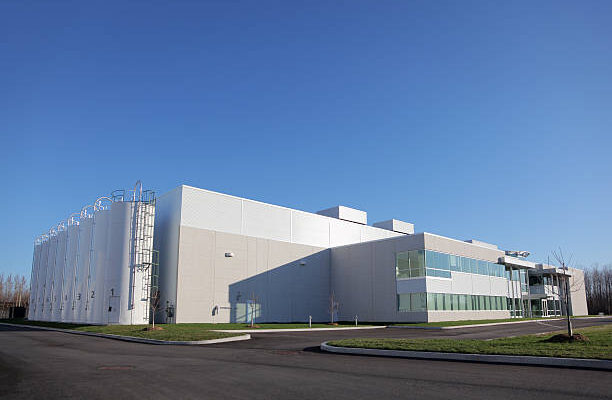
- Facility Size: 4,000 m²
- Employees: ~60
- Audit Partner: Lawler Sustainability
- Programme Support: Life-Audit-Plus Support (LAPS), IERC
A leading packaging manufacturing company operating multiple production lines sought to significantly reduce its energy consumption and operational costs.
With rising energy prices and increasing pressure from stakeholders to improve sustainability, the company aimed to identify and implement energy-saving measures that would not only reduce their environmental impact but also develop a robust decarbonisation strategy to improve their financial performance.
The company partnered with Lawler Sustainability to undertake a comprehensive energy audit and develop a phased decarbonisation strategy for energy efficiency improvements across their operations.
This collaboration focused on identifying quick wins and longer-term investments to optimise energy use throughout the manufacturing process.
Audit and Analysis
Works began with a detailed energy audit, mapping all major energy-consuming equipment and processes.
This involved onsite measurements, data analysis, and discussions with the client’s operational teams. The audit identified several key areas where energy consumption was disproportionately high due to inefficient equipment, outdated technologies, and suboptimal operational practices.
A particular focus was placed on:
- Compressed air systems, known for being energy-intensive when leaks or
inefficient compressors are present - HVAC systems, which are often over-specified or poorly controlled
- Process heating and cooling equipment, which can benefit from modern control strategies and heat recovery
- Lighting, where switching to LED and installing smart controls could yield savings
Using this data, we developed a phased improvement plan balancing investment cost, operational disruption, and expected energy savings.
Phased Implementation Plan
The improvement plan was divided into three main phases:
Phase 1 – Quick Wins:
Immediate low-cost measures such as leak detection and repair in compressed air systems, optimisation of HVAC setpoints, and installation of LED lighting with motion sensors. These measures required minimal downtime and delivered rapid energy savings.
Phase 2 – Medium-Term Upgrades:
Replacement of ageing compressors with high-efficiency models, upgrading control systems for process heating, and implementing basic energy management software to monitor usage in real-time. These investments required moderate capital expenditure but offered significant energy reduction potential.
Phase 3 – Long-Term Investments:
Introduction of advanced heat recovery systems, further automation and controls, and planned replacement of end-of-life equipment with cutting-edge energy-efficient alternatives. This phase represented the highest capital cost but promised the largest energy and carbon footprint reductions over time.
Financial and Environmental Impact
The phased approach allowed the company to manage capital spending while progressively reducing energy use.
Key results included:
- Total Investment: Approximately €550,000.
- Annual Energy Savings: Over 1.2 GWh, equivalent to reducing carbon emissions by more than 500 tonnes annually.
- Payback Period: Estimated at 6.4 years for the entire programme, reflecting the blend of low-cost quick wins and higher-cost longer-term investments
- Operational Benefits: Improved reliability and reduced maintenance costs due to newer, more efficient equipment
- The phased payback calculation considers that the early phases deliver rapid returns, which partially fund subsequent, more capital-intensive phases, thus improving overall financial viability.
Challenges and Lessons Learned
During implementation, the company faced some challenges, including coordinating downtime across production lines for equipment upgrades and ensuring staff engagement with new operational practices. Regular communication and involvement of cross-functional teams were critical to overcoming these obstacles.
Moreover, maintaining momentum between phases was essential. Lawler Sustainability recommended periodic review meetings and performance tracking to ensure energy savings targets were met and to adjust plans based on emerging technologies or operational changes.
Conclusion
This project demonstrates how a structured, phased approach to energy efficiency can deliver substantial financial savings and environmental benefits. By combining immediate, low-cost measures with strategic investments over time, manufacturing operations can optimise energy use without compromising productivity.
The company is now well positioned to continue reducing its carbon footprint and improve its competitiveness through ongoing energy management and innovation.