Decarbonisation Audit for Industrials – 2026
Executive Summary
This case study explores a comprehensive decarbonisation audit performed at a prominent metal fabrication facility in Ireland. The decarbonisation audit focused on a sprawling 4,000 square metre campus that delivers bespoke metalwork solutions to pharmaceutical, food, healthcare, and commercial sectors. Adhering to ISO 50002 standards, the process pinpointed targeted strategies to diminish energy costs, curb emissions, and mitigate health risks—all without compromising ongoing production. Businesses in heavy industry increasingly turn to such decarbonisation audits to navigate regulatory demands, stakeholder expectations, and economic pressures in 2026.
Background
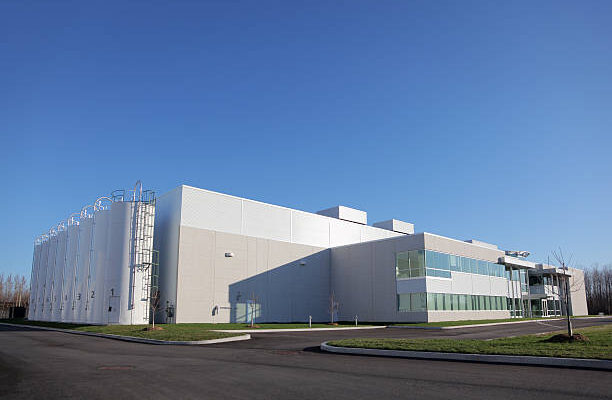
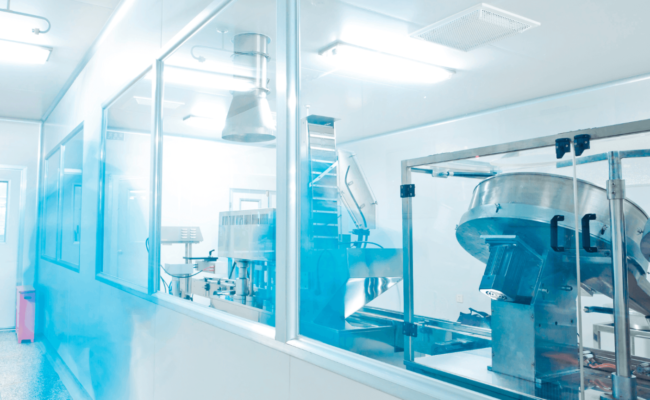
Nestled in Ireland’s industrial heartland, this long-established metal fabrication facility boasts over four decades of expertise. The company excels in designing, manufacturing, and installing custom metalwork solutions tailored for high-stakes sectors like pharmaceuticals, food processing, healthcare facilities, and commercial projects. The expansive 4,000 square metre campus houses specialised operations: stainless steel fabrication units for precision components, cleanroom furniture production meeting stringent hygiene standards, surface treatment areas for finishing, and chemical cleaning centres ensuring product purity.
Around 60 employees keep the site humming five days a week. Primary energy sources comprise electricity for machinery and lighting, heating oil for process heat, and diesel for supplementary heating needs. Critical systems driving consumption include high-pressure compressed air networks prone to leaks, extensive HVAC setups for temperature control in cleanrooms, powerful extraction fans managing fumes, advanced laser cutting machinery for intricate designs, and large-scale process ovens for heat treatments. These elements collectively generate substantial energy demands, typical of energy-intensive manufacturing environments where efficiency gaps can erode competitiveness.
The Challenge
The client sought a decarbonisation audit to map energy consumption across operations and pinpoint opportunities to lower costs and emissions without production disruptions.
Key drivers encompassed rising energy costs squeezing margins, corporate carbon reduction targets, and indoor air quality issues from diesel heaters. With Ireland’s 2026 decarbonisation mandates on the horizon, alignment with national goals proved essential.
The objective centred on a systematic decarbonisation audit via the ISO 50002 framework, delivering practical, cost-effective, health-focused solutions.
The Audit Approach
The decarbonisation audit merged data analysis with on-site surveys, mapping energy use in lighting, compressed air, HVAC, laser cutting machines, and chemical process tanks. Historical bills, metering, and thermal imaging revealed inefficiencies such as air leaks and thermal losses.
Three core strategies emerged, backed by feasibility studies to ensure operational fit and grant funding potential.
Strategy 1: Low Complexity, High Impact Measures
This approach targeted quick results with minimal investment and downtime.
Key actions involved:
- LED Lighting Upgrade: Swapping fluorescent fittings for efficient LEDs to curb lighting energy.
- Energy Metering: Adding sub-meters for better consumption tracking and management.
- Rooftop Solar PV System: On-site renewables to lessen grid reliance.
Implementation aligned with routine maintenance schedules.
Strategy 2: Health-Driven Decarbonisation
Recommendations included replacing diesel mobile heaters with electric models to enhance air quality and slash emissions. This tackled indoor exposure to combustion gases.
Beyond environment, it bolstered employee wellbeing and met health regulations through added ventilation.
Strategy 3: Green Electricity Procurement
Shifting to certified green electricity eliminated Scope 2 emissions. Options like power purchase agreements with renewable suppliers supported corporate sustainability aims.
Industry-Wide Relevance
Heavy industrials across Ireland confront mirrored hurdles under the Climate Action Plan. A decarbonisation audit equips firms with bankable data for SEAI grant pursuits, investment-grade reports, and retrofit feasibility—essential for competitiveness in a net-zero economy.
Tangible Outcomes
The decarbonisation audit armed the client with an actionable blueprint harmonising cost efficiencies, emission trajectories, and wellbeing uplift. The facility now strides toward sectoral sustainability leadership.
Forward Path and Scalability
Immediate priorities focus on quick-impact actions, scaling to fuller implementation. This framework replicates across peers, weaving in grant navigation, detailed feasibilities, and sustained net-zero momentum.
Ready for your decarbonisation audit? Lawler Sustainability offers end-to-end energy audits, investment-grade reports, feasibility studies, and funding support. Connect today to transform challenges into competitive edges.