Project Overview
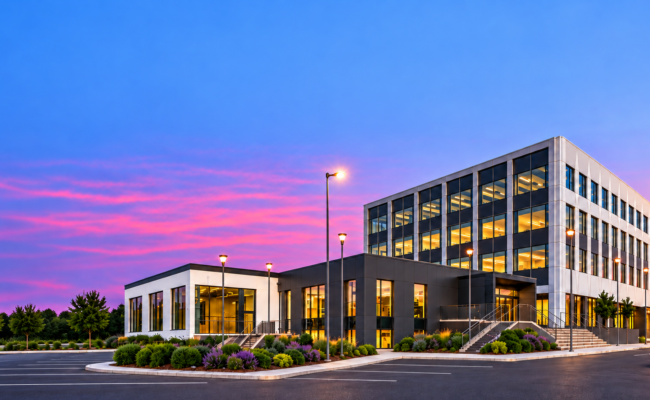
Building One at Glassworks has achieved LEED Gold certification under LEED v4 BD+C: Core & Shell, achieving 62 points.
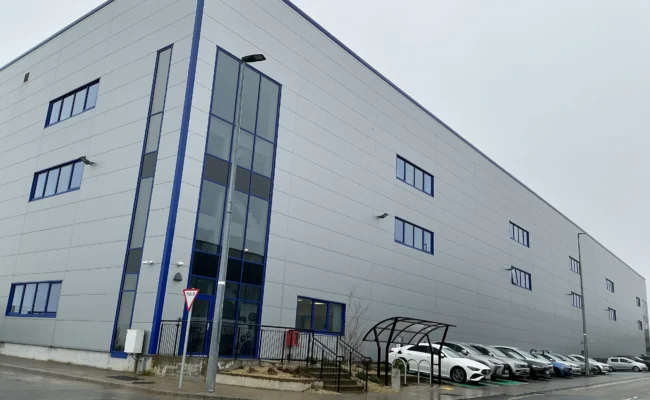
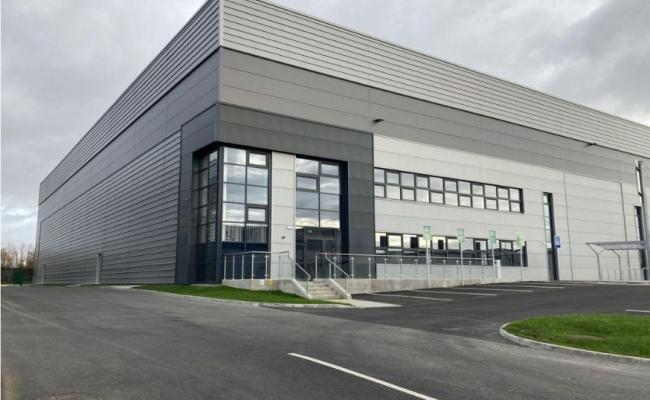
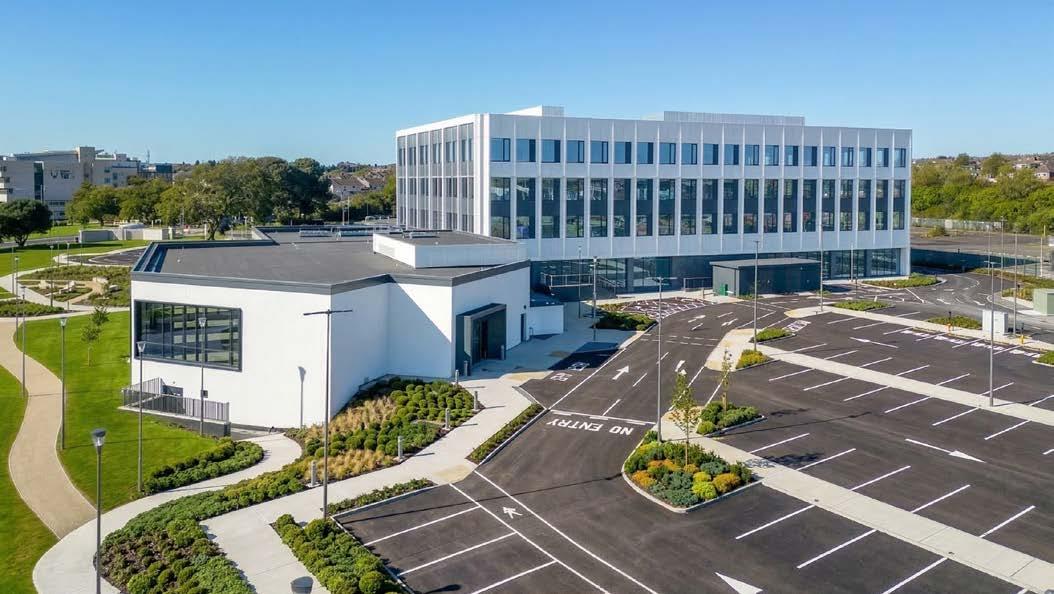
Located on the former Waterford Crystal manufacturing site on Cork Road, Waterford, the project forms part of the wider regeneration of a site with significant industrial and cultural heritage. Once home to the production of Waterford Crystal, the site is now being transformed into the Glassworks Enterprise & Innovation Campus, bringing new commercial, educational and innovation uses to an area that had remained largely idle following the factory’s closure.
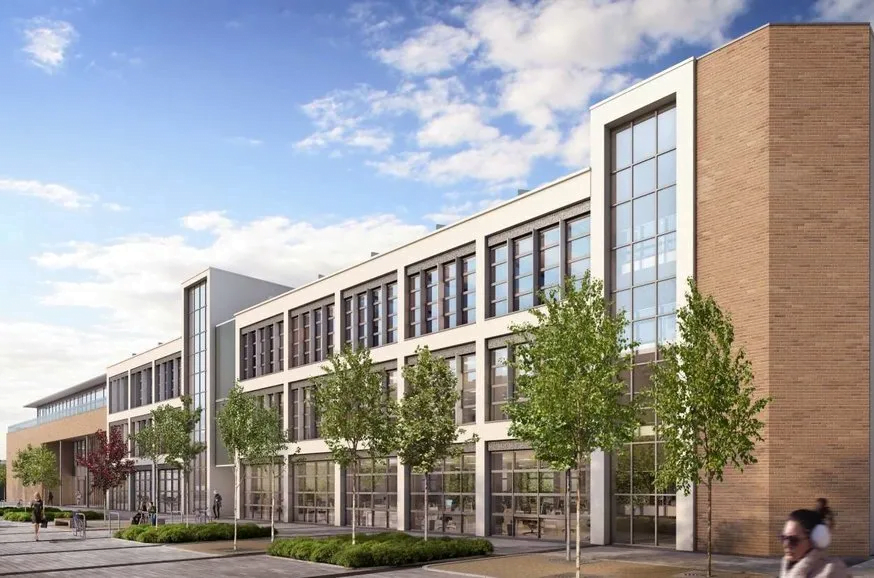
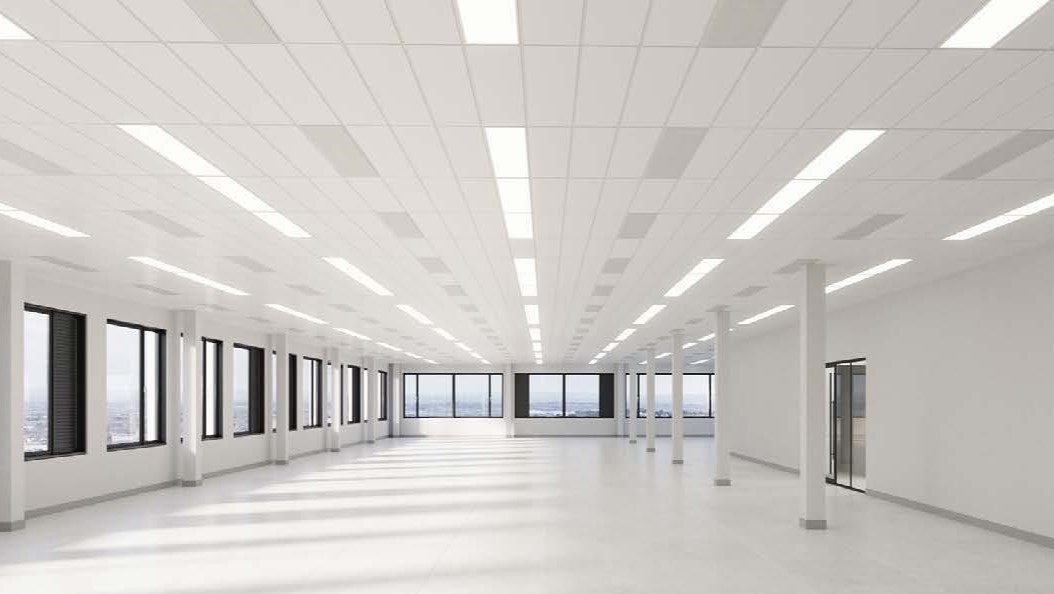
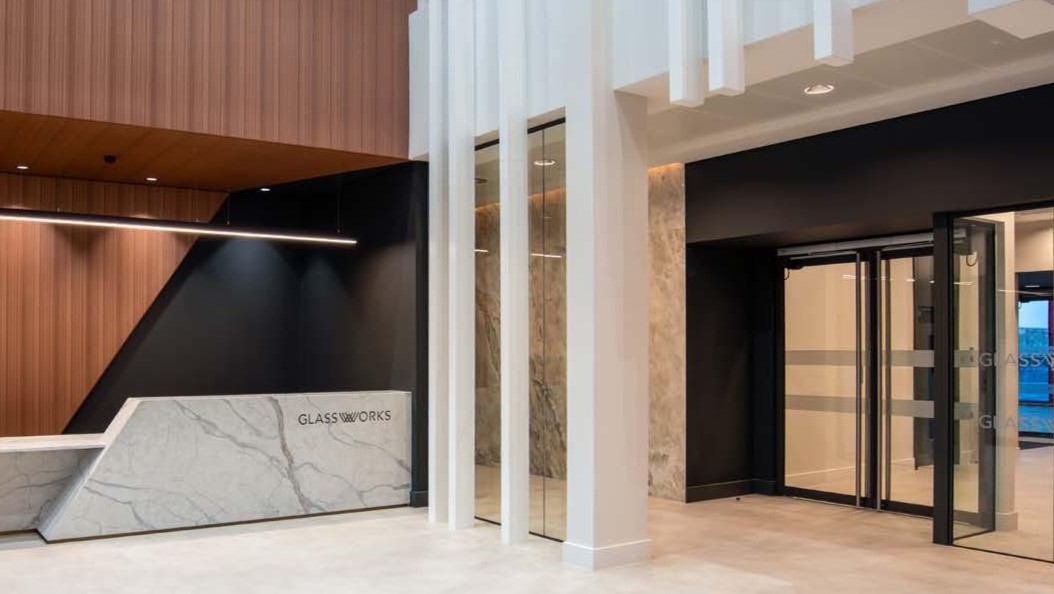
Building One provides modern Grade A commercial office accommodation as part of this wider regeneration, with flexible workspace designed to support future occupiers and tenant fit-outs. The wider Glassworks vision brings together enterprise and education alongside neighbouring South East Technological University (SETU).
Lawler’s role
Lawler Sustainability provided LEED certification management and LEED AP services, supporting the project team through the certification process from coordination through to successful LEED Gold certification.
Our scope also included Fundamental and Enhanced Commissioning services and coordination of the project’s LEED energy modelling and energy performance assessment.
Working alongside Lawler Sustainability, Lawler Consulting provided mechanical, electrical and building services engineering design, creating an integrated approach to building performance and certification.
Delivering measurable sustainability performance
Achieving LEED Gold required a coordinated approach across energy, water, transport, materials, waste, site development and indoor environmental quality.
The completed project achieved a number of significant outcomes:
- 16.6% improvement in energy performance compared with the ASHRAE 90.1 baseline building.
- 100% electric building, eliminating fossil-fuel combustion from the building systems.
- Approximately 51% reduction in indoor potable water use, achieving the maximum available LEED points for Indoor Water Use Reduction.
- More than 75% of construction and demolition waste diverted from landfill.
- Significant retention and reuse of the existing building structure and fabric, including structural floors, roof, foundations, exterior enclosure and internal wall partitions.
- Active and lower-carbon travel supported through 50 bicycle spaces, showers and lockers, reduced parking provision and dedicated carpool spaces.
- Responsible material selection supported by the use of products with Environmental Product Declarations (EPDs) and other recognised third-party environmental certifications.
- Landscaping designed to require no permanent irrigation once established.
The building also incorporates energy-efficient building services and controls. The development brochure identifies an air-to-water heat-pump system for heating and cooling and a dedicated Building Management System for environmental control and monitoring.
Reuse at the heart of regeneration
One of the most significant aspects of the project is the reuse of the former Waterford Crystal site and substantial elements of the existing building.
Rather than complete demolition and replacement, significant parts of the existing structural floors, roof, foundations, exterior enclosure and internal partitions were retained and incorporated into the redevelopment.
This approach extends the useful life of materials already invested in the site, reduces demolition waste and avoids some of the embodied carbon associated with manufacturing and installing replacement construction materials.
It also gives the project a wider significance: transforming a former industrial site strongly associated with Waterford’s heritage into a new commercial development designed for the city’s future.
The original Waterford Crystal factory on the site opened in the 1960s and produced crystal there until its closure in 2009; the brochure notes the site’s longstanding importance to Waterford and the local community.
Supporting a high-performance workplace
Sustainability measures extend beyond energy and carbon performance.
Water-efficient fixtures significantly reduce potable water demand, while the building’s transport strategy provides cycle storage, changing facilities, showers and EV infrastructure.
Indoor environmental quality was considered throughout design and construction, including ventilation provision and a Construction Indoor Air Quality Management Plan designed to minimise contamination of building materials and systems before occupation.
Together, these measures contributed to a high-performance commercial building designed around both environmental performance and the needs of future occupiers.
The outcome
Building One achieved LEED Gold certification with 62 points, providing independent recognition of the sustainability strategy embedded throughout the development.
The project demonstrates how certification can support wider development objectives – combining the regeneration and reuse of an existing site with improved energy and water performance, responsible material use, sustainable transport and a high-quality environment for future occupants.
It represents an important milestone in the wider transformation of the former Waterford Crystal site into the Glassworks Enterprise & Innovation Campus.
Planning a LEED-certified project?
Whether you are establishing a certification strategy for a new development or need support managing LEED requirements through design, construction and commissioning, our Green Building Certification team can help.
Click the button below to speak to Lisa Martin, Head of Green Building Certification to discuss how Lawler Sustainability can support your next green building certifcation project.